The Mind Game of Betting: Knowing the Science of How We Bet
How Our Brains React to Bets
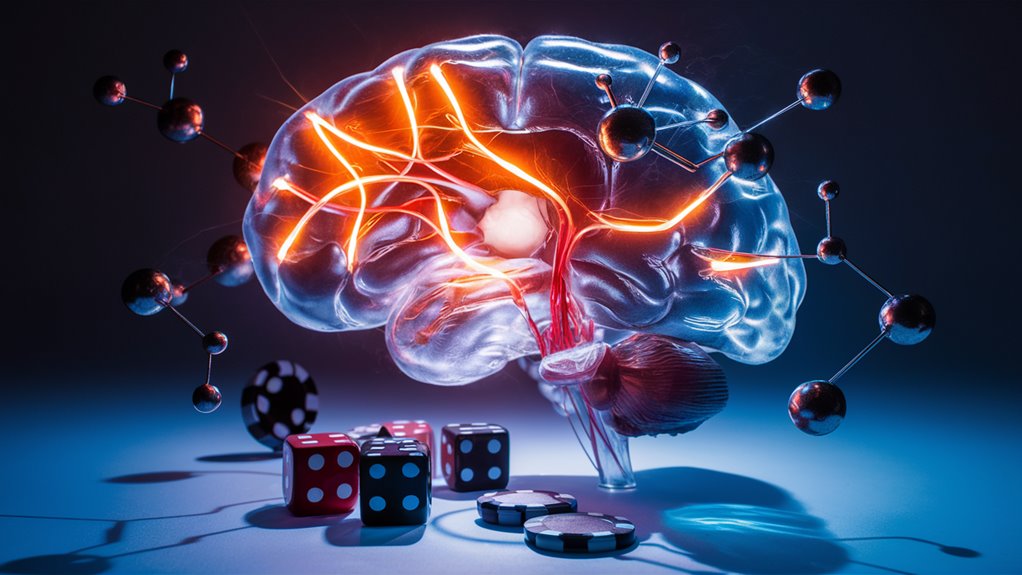
Our brain’s joy center fires up when we bet, shooting out dopamine. This makes us feel good when we win or almost win. However, this brain response joins with deep feelings and social reasons, which often beats clear, careful thinking. Our minds feel losses much more than wins, often pushing us to chase losses by betting more to try and win back what we lost.
How We Think and Choose
Outside cues and mind tricks drive our urge to bet. The feeling of control, a mind trick where people think they can affect random outcomes, affects how we bet. Mixed with the brain’s reward paths, this makes betting very gripping. 먹튀커뮤니티
Changes in How We Behave
Brain rewards and mental factors change how we decide when betting. These changes show:
- Changes in risk checks
- Big feelings about wins and losses
- Shifted ideas of luck
- More awareness of betting cues
Knowing these mind tricks shows us how deeply betting changes us, giving key clues on why it hooks us.
The Brain’s Joy System
Digging Into the Brain’s Happy Spots in Betting
Dopamine and Betting
Dopamine shoots up when people bet, exciting the brain’s happy system. This brain chemical causes joy during bets, no matter the result.
This chemical play is why people keep betting even when they lose money.
The Paths in Our Brain and Betting
The happy paths light up these brain parts:
- The joy hub feels alive when we bet
- The fear circle feels the risks
- The choice-making zone controls decisions but can overload from strong reactions
The Almost-Win Buzz
Almost winning stirs up brain responses much like real wins. This helps us see why:
- Slot machines give almost wins all the time
- Scratch cards have many almost-win combos
- People keep betting even after losses
The Lasting Brain Changes
The brain’s reward center changes with a lot of betting. This new brain wiring pushes us to bet often, big, or both.
The reaction to betting grows stronger over time, making the want to bet stick, even when it hurts us.
Weighing Risks
Seeing How We Weigh Risks in Gambling
How Our Brains Work in Betting
The brain’s happy system works with parts that look at risks when we gamble.
The choice zone works out the odds in bets, balancing what we might win or lose.
This thinking isn’t all clear-cut—it mixes in feelings and other pulls that change how we see risk.
Mind Tricks in Betting Choices
Studies show a few thinking errors that twist how we act when betting.
Fear of loss makes bad results hit harder, feeling twice as bad as wins feel good.
The betting error twists how we see random events. Betting choices mostly use both fast, gut feelings and slow, deep thought.
Stress in Risk Choices
Stress mess-ups and moods mess with how we choose when gambling.
High stress marks may make us less careful, making us bet more wildly when we’re trying to win back losses or keep a winning streak.
Such body changes can reshape how we see luck and rewards.
What Bets Pull at Us
Knowing What Pulls Us to Bet
Main Pulls in Betting
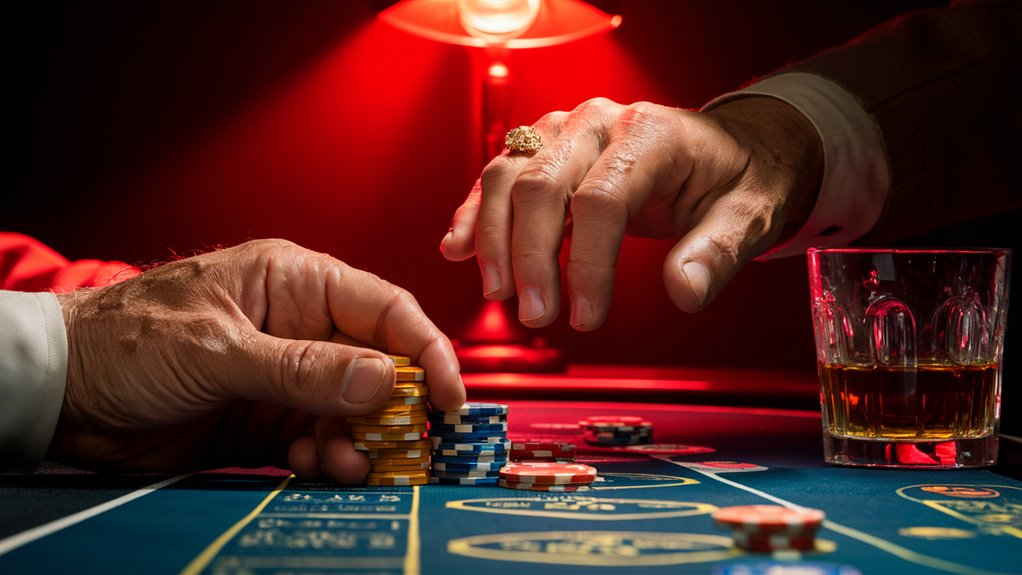
Emotional pulls shape how we bet and decide during gambling. Big pulls include the rush of waiting, fear of missing out, and a strong need to win back losses.
When we gamble, our brain releases dopamine, fueling a rush that often beats our careful thinking.
How Wins and Losses Push Us
Winning spells make us feel able to do much more than we might actually can, leading to riskier bets and forgetting set limits.
On the other side, losses trigger the chase – a mind push that makes us bet more riskily, trying to win back what we lost.
People and Places Matter
Group pressure is a big pull in betting spots. Casino vibes and friends can push us to bet more than we planned.
The fear of missing out, especially when we see others win, often leads to quick and poor bet choices.
Our Mood and Betting
Our feelings before can drive us to bet in a rush. Stress, worry, and sadness often make us gamble impulsive, as betting can hide these bad moods with the hope of getting something good.
Knowing these pulls helps us bet more wisely and keep up careful choices.
How We Do It Together
Social Ways of Gambling: Seeing Us Bet With Others
Giving Each Other Courage to Bet
Betting acts go past just us, happening mostly in a group mood that deeply changes what we do together and how we act.
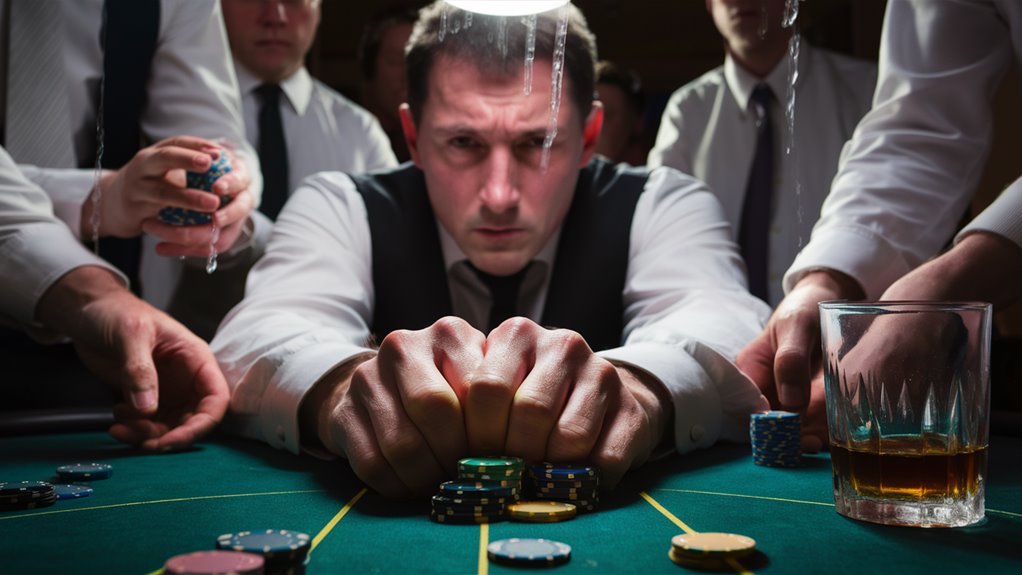
In groups, betting acts ramp up due to friends’ push and group spirit. Together, being in a happy thrill spot makes the wins feel better and hides the pain of losses among the group.
Fitting In and Friend Push
Group bet spots create strong fitting in vibes through friend-to-friend pull.
Seeing pals or folks we like betting tells us it’s OK to take risks, which calms down our own safety checks. This group truth often beats our lone thoughts, making us bet bigger and throw caution to the wind more than if we were by ourselves.
How Friends on Screens Change Betting
New online gamble spots have changed how we hang out and bet.
Web bet circles, social sites, and streams make places where we can share plays and feel like we’re part of a group. These online spots ramp up FOMO-driven bets and wish to win big, changing how we think of luck and prizes in today’s betting world.
Losing and Betting
Losing and How It Bends How We Bet
How Losing Shades our Betting
Losing fear shapes how we bet, with studies showing that we feel losses way stronger than wins.
This mind rule makes us bet in set ways in the betting world, often not helping us make the best choices.
Losing Makes Us Take Big Risks
How We Act When Losing
Losing chase is a clear sign of losing fear when betting. We’re more willing to take big risks to get back losses, often going past our normal safe plays.
The even-out need pushes us to keep betting until we’re back to our start, no matter how risky it gets.
How We Pick and Stick to Plans
Safe bet rules break down when we’re losing, making us leave plans we made before.
This stands out in live bet spots, where quick choices pump up our responses to losses. The tight feedback loop here makes losing fear hit how we choose even harder.
How Losing Messes with Us
The uneven feel between losses and wins makes us act steady in betting games. We work harder to dodge losses than to get the same win, leading to less than best betting moves and higher risk games.
This mind twist touches both new and old bettors, shaping how both the whole market and individual bets turn out.
Knowing these bet acts helps us come up with smart safe bet plans and keep to careful betting, especially when the game is tough.
Taking Charge and Trick Beliefs
Trick Beliefs in Betting: Understanding Mind Tricks
How Mind Tricks Push Betting
The feel of control is a core mind trick that greatly shapes how we bet.
We often think we sway random chances more than we do, picking to throw dice or pick lotto numbers ourselves even though the chances are the same.
When Mind Tricks Show in Betting
Studies show many ways these tricks show in betting spots.
Players often pick their own numbers over machine picks in lotto games, even though each throw has the same odds.
This links to a deeper mind slip, where gamblers wrongly tie their choices to random wins.
How Casinos Use This
Modern casino builds work in bits that push what we think we control.
Hands-on game bits like slot stop buttons and personal ball throws in roulette make us feel like we have a skill part.
These build bits use our mind slip to think we sway what happens, making us bet more and play longer.
This use of mind tricks shows why betting stays strong even when we lose a lot, as players keep thinking practice and smart plays will beat mere luck.
Breaking Mind Ruts
Shaking Off Bet Habits
Spotting and Kicking Mind Blocks
Mind blocks and trick beliefs root deep in problem betting acts. By seeing when results are wrongly thought to come from skill, not luck, we start to break down these mind walls.
Data checks of how we bet show big pulls that lead to hurried betting and find moods that cloud how we choose. Foam & Night Slots: Soaking Bubbling Scenes in Dark, Bonus-Driven Calm
Setting Up New Ways
Changing the groove needs strong new acts. Putting down firm bet limits and setting time checks build needed walls for safe gambling.
Keeping full win-loss notes balances out the memory trick that usually makes us remember wins over losses.
Backed by Science, Shifting Acts
Study-backed moves show real change happens when we set clear money rules based on what we make and build help ties with trusted pals.
- Limits based on what we earn
- Help from friends when we need it
- New ways of handling bet pulls
- Blocks on where we bet
Changing both where and how we act works better than just trying to be strong. This full plan helps keep new betting acts sticking by using proven helps and smart plans for tough spots.