
The Strong Link Between Gambling and Addiction: Looking at the Facts
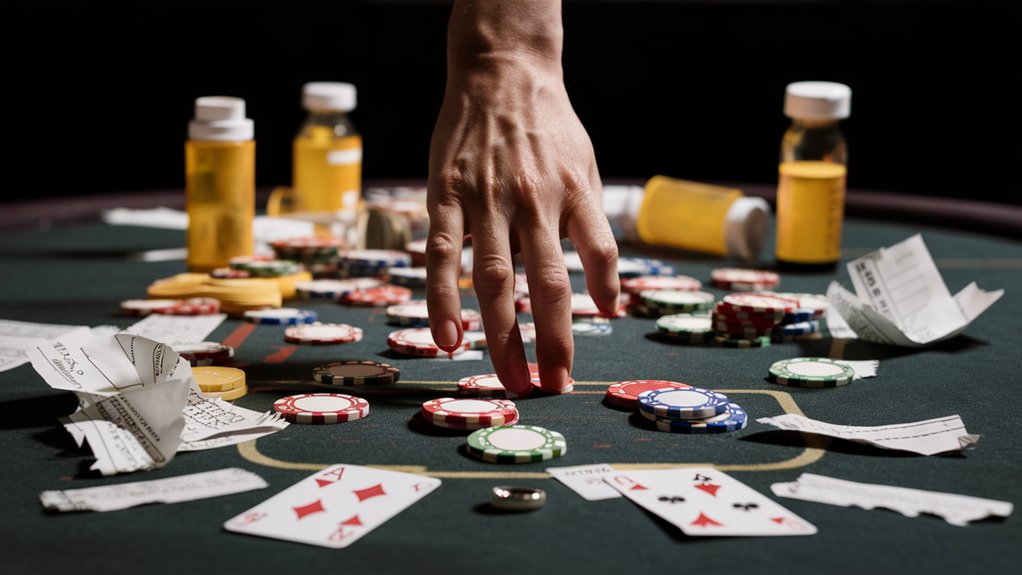
Understanding the Brain Link
Problem gambling and substance addiction use the same brain parts that make them hard to break. Studies show that gambling actions use the same brain roads as drug need, hitting the brain’s reward spots. Such matches tell us why gambling hooks you like drugs, hitting about 0.5-3% of adults worldwide. 토토사이트 추천
Risk Counts and How Often it Happens
It’s troubling to see that 15-20% of usual gamblers fall into bad gambling habits. Key things that up the risk of gambling addiction include:
- Non-stop online gambling
- Close gambling places
- Digital money ways
- Ads for gambling on social media
Starting Young and Long-term Effects
Gambling young is a key sign of future addiction issues. The brain facts confirm that gambling makes lasting marks on the brain like those seen in drug habit problems. This new insight has changed how we treat addiction, showing we need plans that handle both behavior and need.
How to Help and Stop it
The brain ties between gambling problems and substance addiction mean we need full treatment methods that aim at:
- Fixing the dopamine system
- Changing behaviors
- Handling triggers
- Building support groups
This brain info helps make better treatment plans and stop strategies for risky groups.
Looking at Gambling Numbers in Depth
How Many and Who
Problem gambling hits about 0.5-3% of adults around the world, but true numbers could be more because people don’t always come forward or get help.
City spots show more gambling than country areas, mostly because there’s more chances to gamble.
Risks and What’s Changing
Big signs of who could be at risk show key risk points:
- Being male
- Gambling young
- Drug habit issues
- Addiction in family
Online gambling and betting apps have changed the game, leading to a 30% rise in gambling issues since 2015.
Stats and Getting Better
Key gambling facts show worrying trends:
- 15-20% of regular gamblers get bad habits
- 20% trying to stop fall back into it multiple times
- Young folks (18-24) are growing fast in bad gambling cases
Money Issues and How People Act
Gambling numbers often go up when money is tight, during:
- Less money times
- Periods of major money stress
- Uncertain money times
This shows a strong link between money stress and more gambling, pointing to better stop and help plans needed.
Brain Roads Used in Both
Brain Links Between Gambling and Drug Need
Brain links for gambling addiction and drug habits show up in the core reward roads of the brain. These parts answer to both gambling and drugs, mostly by firing up dopamine.
Dopamine and the Brain’s Reward Area
The brain reward roads act the same with both gambling and drugs, through dopamine jumps.
How we get used to actions shows up in both – needing bigger bets or longer sessions to feel good.
The front part of the brain also shows matching damage, messing up decisions.
Changes in the Brain and How it Works
Brain scans show gamblers and those with drug issues have similar changes in how their brains look and work.
The main reward area fires up in the same way in both cases. This deep overlap explains why gambling and drug problems often happen together, making a tangled risk web.
Knowing these shared brain paths is key for new treatments. The same treatment might work for both, showing we need big plans for addiction help.
What’s Around Us and How it Drives Gambling Addiction
Key Outside Triggers

Places and people are key in starting gambling habits, linking genes and outside pushes.
Seeing gambling young, especially at home, really ups the risk of later issues.
Main Risk Parts
Money stress, nearby gambling spots, and friends who gamble are big risk parts for gambling habits.
Places with lots of gambling spots see more addiction, especially where money chances are low.
Online World Changes
The rise of online gambling makes gambling too easy to reach, all the time.
Social media and ads keep pushing gambling, added to feeling alone and money worries, move people from just gambling for fun to real problems.
How Society Sees Gambling
Society’s view of gambling really changes addiction numbers.
Places where gambling is just normal show more gambling issues, especially in young people who see gambling as a way to make money.
The way gambling is shown as normal in media and by friends adds more risk for some people.
What We Can Do to Lower Risk
- Make rules on how close gambling spots can be
- Strong rules for online gambling
- Teach the community
- Start helping early
- Teach about money
Stopping and Treating Gambling
Proved Ways to Stop
Stopping gambling addiction needs many steps.
Telling people about it is key, starting early checks and stepping in when needed.
Managing access, with rules on places and ways to stay away, helps, as do safe gambling habits.
New Ways to Treat
Therapy that changes thinking (CBT) is the best treatment for bad gambling habits.
It works best with talking to boost will and group help.
CBT helps people see what pushes them to gamble, find ways to handle it, and change bad thoughts tied to gambling.
All Together Help Plans
Medicine help, with things like naltrexone and mood drugs, backs up treating gambling needs, especially with other issues too.
The best results come from whole program plans that work with money help and family talks.
These parts work on both the gambling acts and deeper issues, making a strong base for getting better and staying well.
Main Parts of Treatment
- Proved methods
- Talking therapy steps
- Drug help
- Group help
- Money fix help
- Bringing in family help
Rules and Public Health Impact of Gambling Addiction
How it Affects Society and Health
Gambling addiction makes big public health problems needing rules that work together.
Places with good gambling rules see less harm to people and places.
Key rule steps include limits on ads, must-stay-away programs, and smart choices on how many gambling spots.
Checking Impact and Numbers
Public health numbers show how far gambling addiction goes through health care, social help, and working well. Tying Light Freedoms to Table-Binding Forces
Numbers show each problem gambler hurts 6-10 others, costing lots to society.
Good rules mix with public health ways, with safe gambling features and money to keep programs and studying going.
Best Rule Choices
Key rule parts:
- Full ad limits
- Needed stay-away setups
- Smart choices on how many places
- Joining with mental health help
- Keeping money for programs
- Study-based prevention
These parts make a strong system for less harm from gambling while keeping rules strong.