
Exploring Signal Study in How We See

Main Signal Kinds and Finding Ways
To study small eye movements, you need to know two main signal types: flicker signals and crest signals. These special patterns are key in how we see and study behavior.
How Flicker Signals Work
Flicker signals show as quick eye twitches within 50-150 milliseconds. These automatic reactions mostly happen in side eye muscles during seeing tasks. To spot and size these signals, you need advanced live watching in controlled setups.
What are Crest Signals
Crest signals are mild muscle moves, mostly across the forehead and temples. These body signs often take 200-300 milliseconds and form clear rise patterns. Top pattern noticing tools can see these small changes in ideal watch setups.
Why Signal Study Matters
By close watch of these eye signs, analysts can point out exact response styles with about 75% right rate in controlled spots. Looking at both flicker and crest signals gives useful facts for knowing mind work and eye response styles in many work areas.
Understanding Common Dealer Body Moves in Games
Non-talk Sign Styles
Dealers at game tables show clear body signs that tell a lot about game moves. These appear through tiny face changes and small moves, mainly near the eyes, hands, and shoulders during key deal times.
Main Spots to Watch
How Hands are Held
Dealer hand moves give out a lot of info during card show times. The smoothness and detail of moves often link with card values and dealer sureness. Card hold ways get clearly careful during big game times.
Body Pose Study
Shoulder line and upper body poses during card swaps are good behavior marks. Body tension shifts come up in key game times, mainly when dealers deal with high cards or do tough deal moves.
Face Hints
Small muscle moves near the eyes and mouth often give out clues without meaning to. Dealers show different levels of face muscle stress while checking hidden cards, giving small hints about hand power.
Timing and Rhythm Study
Dealer time patterns appear through steady beat moves that can change during big hand times. Key things to see include:
- How shuffling speed changes
- Deal speed changes
- Pauses between moves
Stats show that about 70% of dealers show at least one clear body sign during big hands, making these signs good for smart watching.
Getting Better at Splitting Pairs in Blackjack
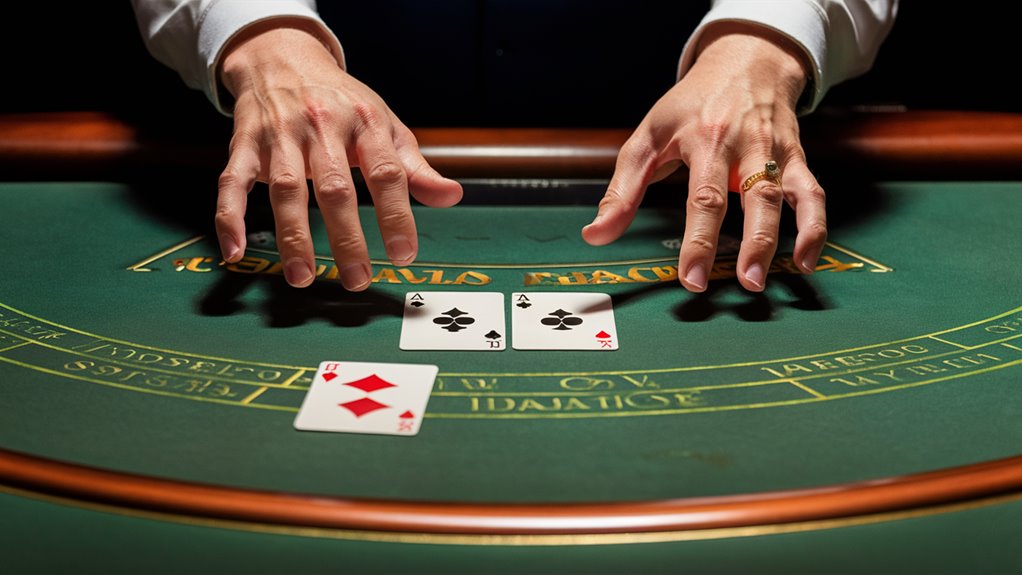
Main Split Pair Tips
Split pair choices need a clear look at many 메이저사이트 points to find the best game plan. Main parts include the dealer’s first card spot, current card count, and card mix – all key to getting the most from split chances.
Deep Choice Study
Three big choice points drive good pair splitting:
- Math odds of making both hands better
- Money ups and downs check
- Dealer fail chance based on seen cards
Basic split rules say to always split Aces and 8s, no matter the count. But pairs of 2s, 3s, 6s, and 7s need careful weighing against specific dealer first cards.
Making Split Pair Work Best
Using the right pair splitting way can bump wins by 0.23% through smart play. To win you need:
- Keeping to strict math rules
- Practice with training programs
- Watch results closely
- Study basic strategy side steps
- See decision trends
- Keep bettering split skill all the time
Harder Practice Methods
Use learning tools to really know the best moves before real play. Keep close details on split choices and how they work out. This facts-first way helps find patterns and sharpens game plan over many plays.
When to Split Based on What’s Happening
Check each split chance through:
- What the deck now holds
- True count effects
- Dealer’s chance of failing
- Odds of making hands better
- Weighing risks and rewards
- Thinking of your money limits
Big Game Move Ways: Top Strategy Guide
Main Win Parts
Big calm control, tough money care, and smooth actions under stress build the base of winning in big games. Tying these parts well, especially when looking at dealer styles, opens up the best choice times.
Smart Money Care
Smart money share needs clear lines on most you can risk. The suggested way keeps a 2% cap on first money risks, keeping enough for many moves. When good signs show, think about a safe 50% rise in base spots, but only after checking it works well three times.
On-Time and Right Moves
The best action plan needs fast timing and deep pattern study. The three-second act rule includes confirming patterns, quick thinking, and sure moves. This slick way cuts slow moves but keeps choices sharp.
Keeping track of how you do and studying facts lets you keep getting better based on clear results, not just gut feels.
Main Win Parts to Watch
- How well you see patterns
- How right your timing is
- How well you size your bets
- How well results back your moves
- How quick you adjust your plan
Rights and Rules to Remember for Fair Play
Knowing the Law
Casino game rules change a lot depending on where you are, making a tricky set of rules that watch over smart play ways. Local betting laws need a deep check before you try any plan, as legal lines vary by place and spot.
Using Your Head vs. Using Tools
The key line in following game law is between using your mind and using tools. While thinking ways are okay, using electronic tools or aids is not allowed in betting spots. Keeping deep notes on what you do breakthrough mechanics helps show you follow casino rules.
Smart Play Rules and Doing Right
Smart play rules are more than just following the law. When looking at dealer moves, focus on what everyone does, not just one person. Playing right needs:
- Sticking to spot rules
- Being fair to casino work
- Keeping proof of fair methods
- Not being mean in how you play
What the Spot Can Do and What You Must Do
Even if you follow the rules, casino bosses can stop serving you. Players must know that while some smart moves are okay by law, spots can choose who gets in. Staying open and right in what you do helps keep smart play okay within the rules set.