How We Take Risks: Gambling Minds

Brain Works in Gambling
The brain’s joy place is key in gambling. When people gamble, their brains let out dopamine, which feels good, much like what happens with drugs or food. Studies show that almost winning gives 30% more dopamine than losing all the way, setting up a strong pull to keep going with changing rewards. click here
Thinking and Making Choices
Mind tricks really push gambling acts in many ways. The feeling of control makes players think they can set random results, while seeing only what they want makes them recall wins better than losses. These mind bends build a mindset that keeps gambling going even with big losses.
Places and People Around
Outside Pushes
Casinos use smart design tricks to keep people playing. Bright lights, happy win sounds, and good floor plans make a place where you want to stay and play. These scene hints team up with the brain’s joy center to keep gambling habits strong.
Friends Matter
Friends and being one in a group turn up gambling behaviors with shared fun and normal risk taking. The togetherness of gambling spots makes people feel they fit in, while social media and online places spread this feeling even without being there.
Knowing Risky Moves
Getting these mind tips is key for spotting bad gambling habits. The mix of brain joy, mind tricks, and friend push makes a strong loop that can beat clear thinking. Seeing these habits helps better weigh risks and manage gambling acts better.
The Brain’s Joy Place
Brain Signals and Joy Roads
Dopamine and serotonin are key in how the brain reacts to gambling. In bets, the brain lets out Dopamine, sending strong happy signals that push gambling acts.
This brain chemical reaction happens not just in wins but also in almost wins, making the joy roads light up and keep you playing.
Changing Rewards and Hooked Actions
The brain’s joy place works on a changing reward plan, making gambling big pull. This unsure reward style makes dopamine come out with each bet chance, setting up a strong cycle of wait and possible joy.
The brain’s happy core and choice-making area are main spots in this, leading both joy feels and choices.
Brain Changes and More Risk
With more play, the brain’s joy wiring changes, often needing bigger risks for the same excitement. This getting used to hits the brain’s joy centers, possibly making some people face gambling addiction.
The tight link between brain paths and gambling actions helps explain why some just bet for fun while others fall into bad patterns.
Almost Wins and Choices
Almost Wins in Choices When You Bet
The Thinking Behind Almost Wins
Almost wins in bets deeply sway choices with a mix of mind and brain angles.
These moments make the brain react like true wins, lighting up joy paths even without cash gains. This key move drives you to keep playing after many losses.
Mind Bends and Player Acts
Almost-win times twist thinking a lot, making players feel they are just about to win, pushing them to keep going.
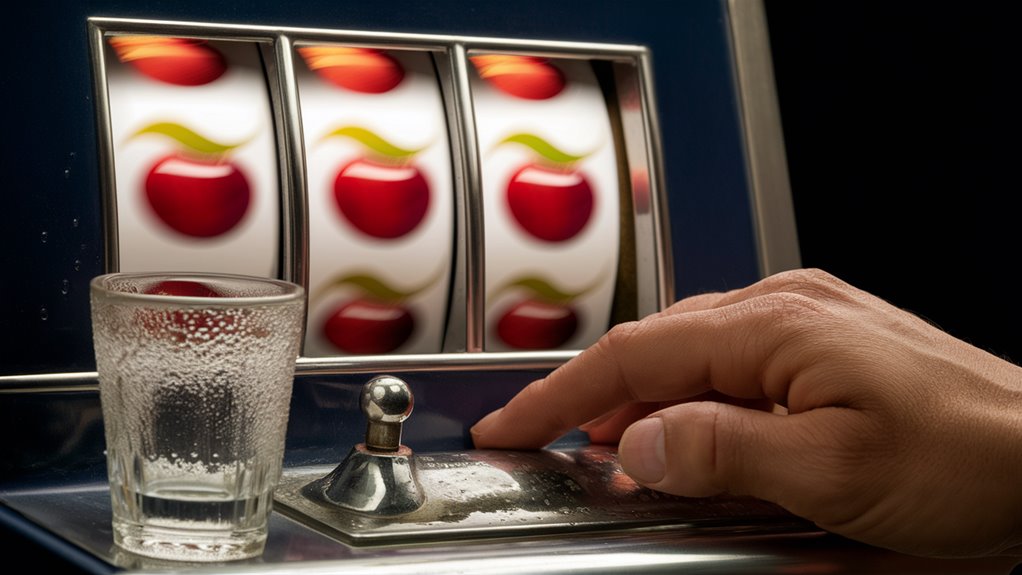
In slot games, if two signs match and the third nearly does, this pushes a bigger wish to keep playing compared to full misses. Studies show almost wins boost dopamine by 30% in joy centers compared to full misses.
Choices and Thinking You Know the Game
The pull of almost wins goes beyond just now, making a fake feeling of getting better at the game.
Players grow a wrong belief in mastering the game when it’s all just chance. This strong push to keep going adds to sticking to gambling moves, setting deep habits tough to break.
Brain Act Ways
Brain working ways in almost wins are much like real wins, even when you lose.
This brain move makes a strong drive to keep on, even with losses adding up. Studies show these moves really show in people with problem gambling.
Keeping You Going
The reward plan made by almost wins works well to keep gambling acts. This works through:
- Better wait for future wins
- More thrill and joy
- Stronger belief in personal skill
- Staying in the game even with losses
These facts are key in knowing and working on risky gambling moves.
People Around You and Gambling
People and Gambling: Full Look
Others Around You and How You Act
Friends pushing and being with others shape gambling acts in many people.
Starting with fun like card games at home or group bets at work. These easy starts set lasting acts, with everyone agreeing playing a key role in making gambling seem okay.
Places and Money Matters
Money place draws a big line in how people dive into bets.
Money spots, from need to have lots, drive betting acts – from a wish for more cash to risky fun among richer folks.
The new online spots change gambling’s social side, making bet groups online and changing old gambling ways with social media and web links.
Places and Groups Around
Places around and home groups strongly shape betting acts.
Spots with lots of bet places often see more people playing, while help groups can push or pull gambling acts. These place parts meet wider public pushes to make unique bet scenes across different spots and people groups.
Getting How People Take Risks
Getting How We Bet and Take Risks
Brain Moves in Betting
Risky acts in betting come from deep links between the brain’s joy place, dopamine bursts, and thought roads.
The brain’s study of gambling shows more going on in big brain spots, like the joy core and choice area, when making bets.
These brain networks plan how we look forward to rewards and judge risks, all key in betting acts.
Main Parts of Risk-Taking
Three key things drive bet choices:
- Guessing chances: How betters think of betting chances
- Wanting rewards: How you react to possible wins
- Not liking to lose: How you feel about possible losses
The mix of these varies a lot between people, with some feeling the pull of rewards more and caring less about losses, setting them up for riskier bets.
Brain Changes and Betting
Long-term betting can really change brain paths, making risky picks more appealing as time goes on.
This brain change talks about why regular gamblers may look for bigger risks despite growing losses.
The brain’s joy wiring gets more tuned to betting hints, possibly leading to can’t-stop betting.
Thinking Twice in Betting Choices
Knowing risky acts takes looking at both clear choices and hidden brain moves.
This two-way plan helps tell why gamblers keep betting even knowing the odds are bad.
The play between knowing and brain moves sets a complex act web that keeps the betting going.
Getting Out of Gambling’s Mind Trap
Getting the Addiction
Gambling addiction works through strong mind tricks that set hard-to-break behavior cycles.
The start to getting out is seeing and breaking these addiction pulls.
The start is understanding how spotty rewards and the feeling of control keep the addiction wheel turning.
Seeing and Managing Pushes
Recovery moves must look for specific pushes that start gambling acts. These include:
- Feelings push
- Place hints
- Being with others
Keeping a close watch with a push log makes key awareness and helps break set response moves.
This close tracking helps people make strong step-in plans.
Changing Mind Paths
Thinking anew is key in getting over gambling needs.
Breaking free needs fighting deep-set mind bends, mainly beliefs about:
- Being ‘about to win’
- Having a ‘sure win plan’ Igniting Coarse Freedoms With Rapid Table Shocks
- Knowing what comes in bets
Making New Joy Ways
Setting new joy tracks is needed for a long fix. Good moves include:
- Body move for natural dopamine bursts
- Crafts that give good kicks
- Mind calm ways to lower needs
The brain’s nerve tracks can be rightly changed with steady use of these fix moves, slowly cutting down gambling’s mind pull by sticking to good acts and strong will.