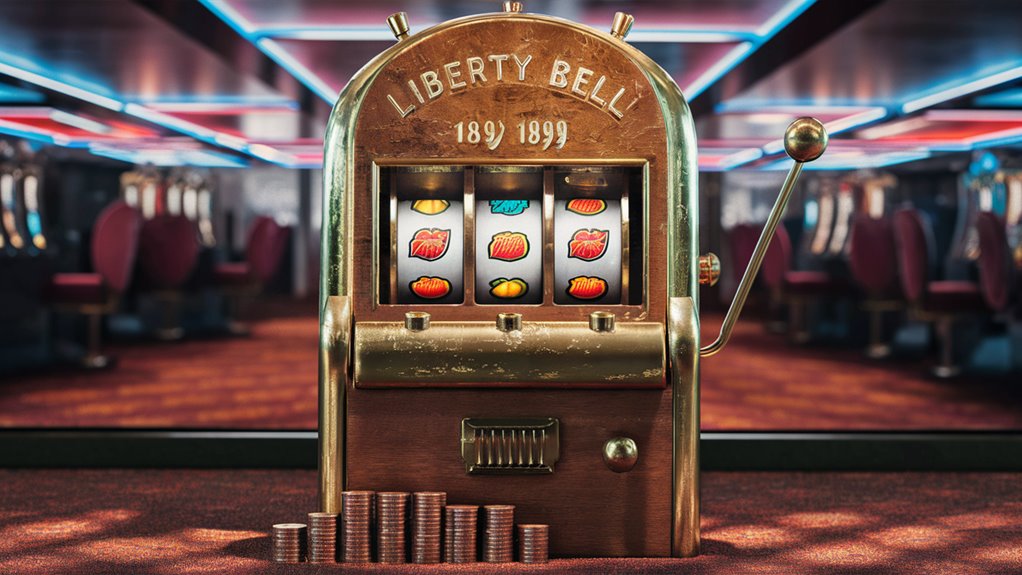
The Full Story of Slot Machines: From Old Tech to Today’s Tech
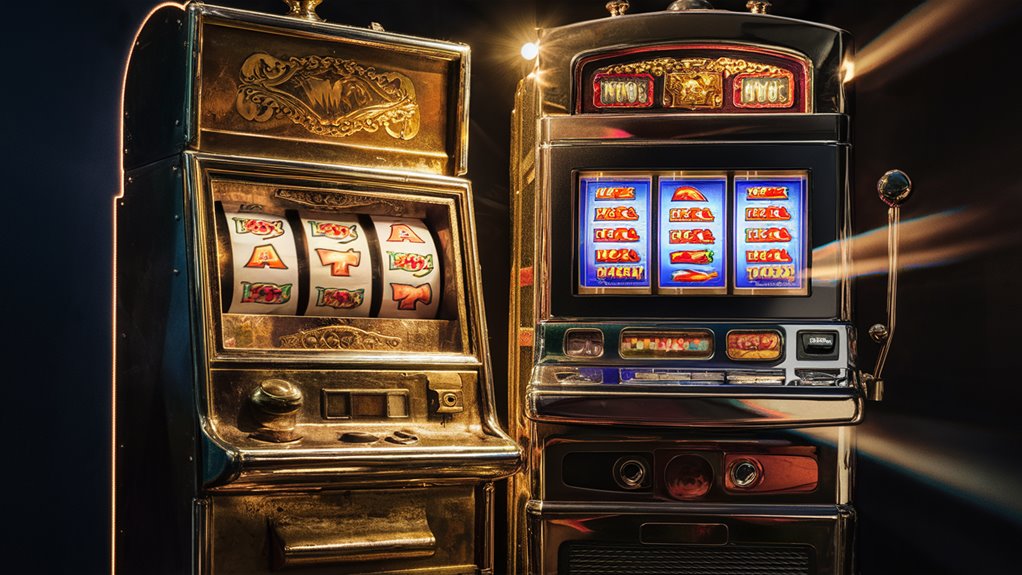
Charles Fey changed how we gamble in 1895 with the Liberty Bell slot machine. It was the first to pay out on its own, using three reels and five symbols. This big idea led to the games we play in casinos today. 토토검증사이트
Start and Grow
In the early 1900s, mechanical slot machines moved out of bars into other spots. These simple machines used reels and springs and could pay out coins, cigars, or drink tokens. They got more popular even as some people tried to stop gambling. Makers got clever with fruit symbols to keep using them.
The Power Shift
The 1960s brought a big change with electric slot machines. These new types had lights, sounds, and worked better with less work needed. Electromechanical systems made a bridge between old-school games and the electronic ones we see now.
Enter the Digital
The 1990s brought in the power of digital tech and microprocessors. Random Number Generators (RNGs) made sure each spin was fair and opened the door for more game types. New tech brought:
- Many ways to win
- Bonus rounds
- Big jackpots
- Better pictures and effects
Today’s Games
Now, slot machines use HD screens and full sound, and the games are deep and fun. Big jackpot networks connect machines over many places, giving big prizes. New systems let you:
- Play bonus games
- See 3D pictures
- Play on phones
- Track your play
- Choose your game style
The Start of the Liberty Bell Slot Machine: A Gambling Step Up
Charles Fey’s Big Idea
In 1895, San Francisco mechanic Charles Fey started something huge in gambling by making the first auto slot machine, the Liberty Bell.
In his small basement, Fey built this three-reel machinist dream, changing betting shops for good.
The machine had five clear symbols: hearts, diamonds, spades, horseshoes, and the big liberty bell, each painted on metal loops.
Smart Mechanics
The Liberty Bell slot machine worked with a clever set-up inside.
You put in a nickel and pulled a lever to make it go. When three bells lined up, it paid out 50 cents on its own – no need for people to do it. This made life much easier in gambling spots.
Growing the Business
Fey had great business skill because he kept full control over his invention. He didn’t sell the idea but put his Liberty Bell machines in San Francisco bars and shared the money. This smart move worked well, and by 1896 he left cars behind to make more slot machines. This choice started a big industry of making and selling slots everywhere.
The Growth of Old Mechanical Slot Machines (1896-1920)
Big Changes in Slot Building
After Fey’s big start with the Liberty Bell, the slot industry grew fast from 1896 to 1920.
Mills Novelty Company became a top name, making a new Liberty Bell in 1907. They added famous fruit symbols and made the machines better.
Slots Move Around
By 1908, mechanical slot machines were not just in bars anymore. They were in bowling alleys, tobacco shops, and barber shops, reaching more people.
The Industry Novelty Company changed the game with a slot machine that gave out gum, using fruit signs for different flavors. This was a clever way to keep selling slots with rules against betting.
Better Tech in Old Machines
From 1911 to 1916, slots saw new tech ideas like:
- The skill stop button (1911)
- Self-paying tech (1913)
- Hold and draw options (1916)
These steps set the stage for modern game types, leading to the tech we use now.
The Start of Electric Slots
The First Electromechanical Slots
In the 1930s gaming world, slots moved from simple mechanical parts to smart electric devices.
Bally Manufacturing Company led the way in 1934, making the first “Bally Baby” – a slot machine that mixed old parts with new electric bits. This set new levels for game quality and features.
Better Tech and Its Effects
The 1940s brought better gaming tech with new payout ideas and multiplier options.
A key moment was in 1963 when Bally launched Money Honey, the first fully electromechanical slot. It could pay out 500 coins all by itself, a big change for casino work.
Adding electric parts to mechanical bits changed how we bet, prepping the way for today’s digital slots.
Slot Machines and Las Vegas Betting History
Big Betting After the War
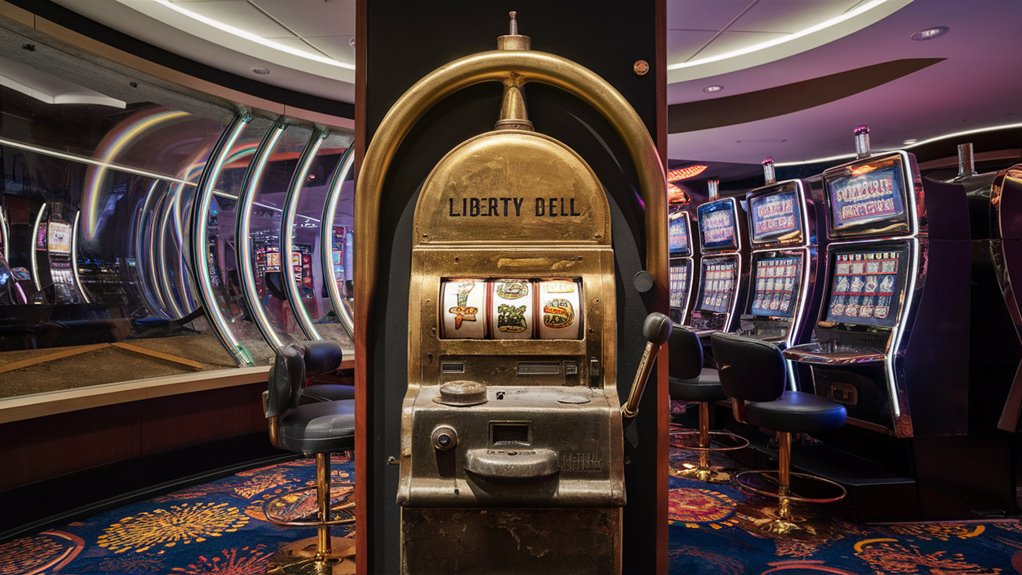
Las Vegas became America’s top spot for betting after World War II, with slot machines making most of the money.
By 1950, these games made more than 60% of all casino cash, changing the betting business.
Slots Get the Spotlight
When the Flamingo Hotel opened in 1946, slots were just a small part of the casino.
But people like Benny Binion saw how great they could be, setting up loads of them in the best spots. By 1955, the Las Vegas Strip had over 20,000 slot machines, starting a new chapter in gaming.
Electric Slots Make Waves
The 1960s change to electronic slot machines sparked huge growth in casino gaming. New tech let players try for bigger jackpots, play more games at once, and keep things moving fast.
Places like Caesar’s Palace and the MGM Grand used slot machines for up to 80% of their game floors by the early 1970s.
New Machines Lead the Market
New ideas like bill sliders and computer-run random number generators updated simple old slots into big money-makers, setting slots as the big symbol of Las Vegas games.
Digital Shift in Betting: Tech Moves
Slots Go Digital
The 1990s’ digital move changed gaming with micro-computer-driven slot machines and video tech. This shift swapped old reels for virtual screens, changing how we play.
This new level let us have:
- Many ways to win
- Games within games
- Big connected jackpots
Smart Number Tech
In the mid-1990s, the use of Random Number Generators (RNGs) made games fair by making each play stand alone, picked by a computer. This broke old limits and led to more game types and better player times.
Full Digital Games
The digital move made major changes in how games work. Now, we have player tracking systems, touch screens as the norm, games with lots of win lines, deep 3D pictures, and big jackpot networks. The 2000s brought games online, spreading betting fun to computers and phones, starting a new age of easy digital play.
How Online Play Changed Slots: A Digital Change
First Online Slots (1994-1999)
Online gaming changed slots big time in the late 1990s. Microgaming kicked it off in 1994 with the first online casino software, while CryptoLogic brought in safe pay tech in 1995. This let players spin reels from home, opening up new ways to game.
New Features and Going Mobile (2000-2010)
The new millennium brought unseen slot game changes like falling reels, growing wilds, and games within games – all new tricks for slots.
In 2010, HTML5 tech helped start the mobile gaming wave, letting games work great on phones and tablets for gaming anywhere.
Today’s Game Tech and New Ideas
Now, online slots show off top digital play, with 3D pictures, movie-like effects, and big media ties.
Virtual reality tech keeps pushing limits while cryptocurrency grows. Big jackpot systems bring people together from all over for huge prizes. This digital shift has made a deep, rich gaming world in a big money market that keeps finding new ways to wow us.
New Slot Machine Tech: The Full Guide
Smart Slot Systems
Today’s slot machines are complex digital play systems run by advanced microchips.
At their heart, these use random number generator (RNG) tech, picking game results through smart computer steps, making each spin fair and new.
Better Gaming Bits
Now, machines show off lots of ways to win lines and mix in deep game parts including:
- Clear HD screens with strong 3D images Charging Fleeting Tics for Splitting Edge Strikes
- Loud sound setups
- Games within games
- Ever-growing jackpots
- Games you can tweak to your taste
Linked Gaming Setup
Advanced casino tech lets machines link up like never before with:
- All-over network links
- Live player tracking through loyalty cards
- Big jackpots across many places