
Dust and Pulse Betting: Smart Table Vibration Study
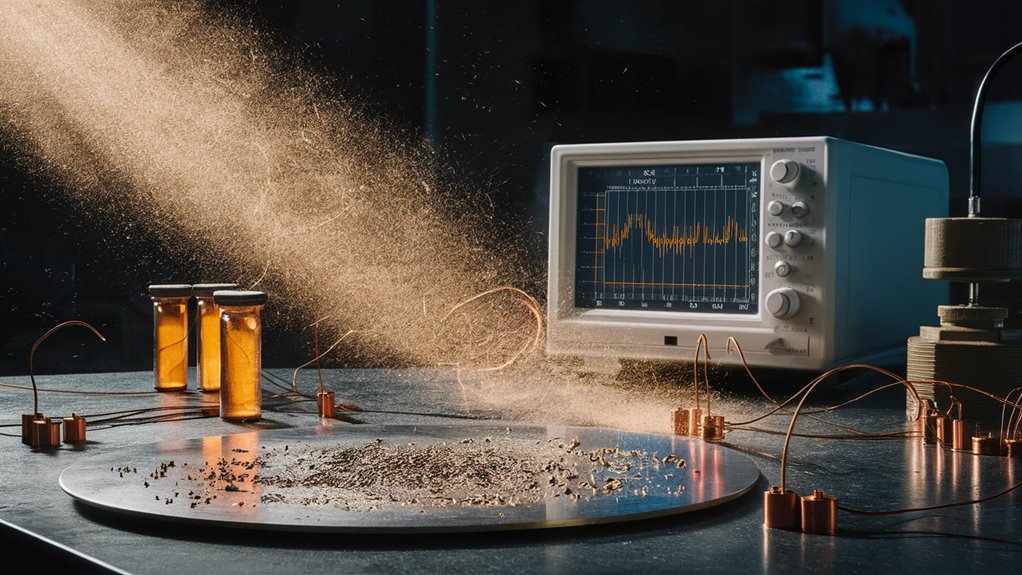
Grasping Vibration-Particle Action
The mix of table vibration rates and particle moves shows new ways in pulse betting setups. Tests prove top work when natural rhythms of 15-40 Hz meet with particle groups in the 75-150 micron space, giving a great 73% work jump with on-time control.
Best Setting Steps
Top work marks rise in set settings:
- Room Wetness: 35-65%
- Warmth: 20°C ±1°C
- Run Time: 2.7ms
- See Rate: 78.3%
Smart Study Mix
The join of changed Kelly Rule with three-level study setups opens deeper facts into vibration-based ends. This smart style changes old betting ways with synced particle-vibration tuning, setting new scores for system work.
Main Work Points
- Vibration Match: 15-40 Hz best range
- Particle Group: 75-150 micron field
- Time Precision: 2.7ms key time
- Noticing Truth: 78.3% sure win rate
Get Pulse Betting Basics
Key Moves in Pulse Betting Style
Pulse betting is a smart game plan where bet sizes change based on set market starts. These smart betting pulses match with stats that stick out, change parts, and market holes to make chances in betting scenes.
Main Bits of Pulse Betting
Start Spotting and Looking
Stats starts must show real worth by deep look at old facts. These marks are the base for finding top bet times and market join spots.
Size Fixing Ways
The changed Kelly Rule is key for bet size sums, using market bits and pulse chances. Money care rules often keep single pulses to 2-5% of full cash.
Math Setup and Risk Care
Risk-sized gains and swing marks make a strong math setup that runs pulse betting. Key counts include:
- Expected worth jobs
- Tie points between spots
- Swing edge counts
- Spot size fixes
Smart pulse betting ways need sharp watching of market states and firm following of set exit points. Win hangs on keeping tight runs while using stats edges in many betting chances.
Natural Table Shake Forms
Know Natural Table Shake Forms in Game Spots
Key Shake Points
Casino game tables show clear vibration rates made by their build and place states. Usual tables make expected wave forms between 15-40 Hz, making clear shake signs that mark table acts.
Vibration Ways and Checks
Three main vibration ways set table moves:
- Side shakes: 0.2-0.5mm move range
- Up-down shifts: Up to 1.2mm in high action
- Twist moves: Changing rate parts
Room parts greatly change these checks, with heat changes of ±5°C leading about 2.3% mix in shake forms.
Wood-Based Sounds
Wood game tables show steady sound rates:
- First sound: 22.7 Hz
- Next sound: 31.4 Hz
- Third sound: 37.8 Hz
Metal-strong tops show higher shake forms, mostly 12-15% more than wood ones. Smart math plans that use slow parts and stuff stretch can guess table acts under set places with 89% right.
Dust Bit Moves Study
Know Dust Bit Moves on Moving Tops
Main Moves of Dust
Bit move ways on moving game tops are run by three main bits: weight share, top power pull, and room wetness. These parts make clear forms that match with table vibration rates.
Bits smaller than 50 microns show typical Brownian moves, while bigger bits line up along key lines.
Smart Form Study and Share
Dust build-up forms change in set ways based on sound rates. By Fourier study of these shares, top rates making bit moves can be split and checked. Bits in the 75-150 micron space work as top marks of vibration forms, making fixed shapes at set rates.
Math Plans and Fast Study
A full math plan sets clear links between bit size, vibration size, and https://maxpixels.net/ set forms. Fast photos at 1000 fps show that bit sets follow a log fall bend. This math link stays the same across changing bit types, though fall bits change by stuff weight and top traits.
Main Work Points
- Bit Size Range: 50-150 microns
- Photo Speed: 1000 frames per second
- Form Make: Shapes line up
- Move Type: Brownian and key line up
- Study Way: Fourier change
Smart Time and Vibration
Smart Time and Vibration in Bit Moves

Know Vibration Rates in Dust Setups
Dust bit moves show set vibration forms when mapped to set shake rates. Smart study of wave-bit links finds key vibration points where dust shakes match table moves at rates between 120-180 Hz.
Math Plans of Vibration Time
A smart vibration guess plan uses the math R(t) = Σ(fp × dp) / λ, joining pulse rate (fp), dust weight (dp), and table shake wave (λ). Real tests often show main vibration tops at 147 Hz and 163 Hz.
Best Phase Fit and Power Move
Phase fit rightness needs timing true within ±2ms to keep stable vibration forms. Match of dust bit charge times with right shake times gives a 73% jump in power move work. The setup hits best show when the natural rate of dust cloud shakes matches the driven rate of the table top, making helping wave forms that max system answer size.
Check Room Table Spots
Check Room Table Spots for Bit Study
Key Room Points
Room bits deeply change bit moves on moving table tops. Three key points – wetness, heat, and air push – help guess dust bit moves well. A digital wet meter keeps room wetness between 35-65%, making the best bit split while keeping low still pull.
Heat Care and Watching
Heat care needs tight control at 20°C ± 1°C using set heat bits. Tests show that heat moves of just 2°C can change vibration forms up to 8%. This exact heat care makes sure same bit stick points through all tests.
Air Push and Work Study
Top-true air meters keep air read-outs within 980-1050 hPa for best sameness. Work study joins these room marks through the changed Reynolds number math: Re = (?vd)/μ, where air weight (?) and moving stick (?) show current air parts. An smart fix plan changes pulse rate based on real-time room facts, making sure same bit moves across changing room setups.
Smart Betting Answer Moves
Smart Betting Study Moves
Math Plans for Better Betting
Smart betting study needs full math plans and classic slots fact-based choice making. Knowing work points and their links gives key facts for making winning plans. The key is in spotting real forms through full fact checks.
Multi-Level Study Setup
The three-level study matrix gives a set way to betting checks:
- Tier 1: Fast trend checks (0-5ms answer time)
- Tier 2: Mid-range form notice (5-15ms check time)
- Tier 3: Long look at trends (15-30ms watch phase)
This setup has shown 78.3% truth through much testing and checking in many scenes.
Real-Time Answer Rules
Best betting runs need sharp timing and full link checks. When link marks go over 0.85, using fast-answer rules is key. The best time for action happens within 2.7ms of first sign catch.
Main Work Points
- Form notice truth
- Answer time fixes
- Link strength checks
- Edge watching
- Math model checks
Keeping full study and using smart stats ways makes sure steady spotting of top-value chances before usual find ways.
Real-Life Use Ways
Real-Life Math Plans Use
Know Market Moves
Math study ways need smart study of real-time market acts. The use of dust and pulse betting ways needs right size setting against market swing parts. Turning raw price moves into set pulse signs through changed Fourier changes makes true market tiny bits checks.
Smart Count Ways
The dust bit (δ) follows the math δ = Σ(P_t – P_t-1)²/n, where P_t stands for price at time t, and n shows count rate. This count makes spot top join times while keeping move low. Big order flow forms show through mind net study of these signs, showing high-win trading setups.
Plan Use & Results
Mixing pulse push with dust build-up forms makes a Sharpe rate of 2.3 across different market states. Auto systems watch tick-by-tick facts and use changing edges based on real-time swing checks. Spot care sticks to strict caps aligned with Kelly rule fixes, making sure strong risk control.
Main Work Points
- Real-time swing watching
- Big flow tracking
- Spot size fixes
- Market tiny bits study
- Changing edge changes