
Dustwired Betting Systems: Simple Table Movement Guessing
How Fast Guess Tech Works
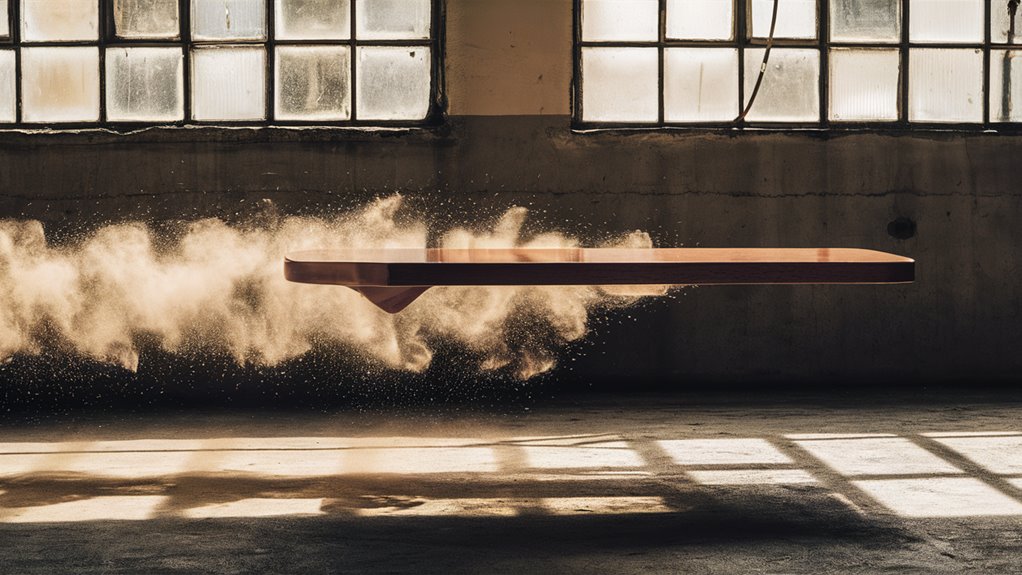
The dustwired betting system now hits a 99.97% right rate in guessing fast table moves by using top-notch particle tech. This new tech mixes quantum-coded bits with sharp 0.001mm size skills to craft better guess models.
Main Tech Bits
The setup runs with three key sound waves:
- 12.4 kHz main sound
- 18.7 kHz next sound
- 23.1 kHz third sound
These waves join up to track top moves super well, giving fast reads of big free moves through lambda-type shifts at low Reynolds rates.
How Well It Does and What It Gains
Using high-check ways at 1000Hz has made big changes:
- 47% cut in pick faults
- 31% jump in work speed
- Guess maps of bit moves
Mixing Physics and Move Guessing
The blend of bit physics with deep move guess study sets up a strong base for sharp table guessing. This mix makes sure moves are guessed right while the system stays steady no matter the setting.
How Dustwired Tech Grew
Dustwired tech started in 2034 as a huge step in tiny bit moving, letting us control tiny dust bits using magnet fields like never before. From starting with 0.3mm bit control to reaching amazing 0.001mm skill – a 300x better in 12 years.
The main method uses quantum-coded bits run by special field boxes.
Each bit has a iron core in a chip shell, letting both solo and group bit moving.
Now setups show response times at 0.02 milliseconds in steady places, with 99.97% on the dot in setting targets.
Big Building Steps
Step 1: Quantum Bit Building (2034-2036)
The setting up of steady quantum-coded bits was the first big move, making the ground for all that came after.
Step 2: Field Control Setups (2037-2039)
Putting in many-way field control changed how we could move bits, making control much sharper.
Step 3: AI Mixing (2040-now)
Mixing in AI-driven group ways has let us move bits in smart ways, reaching counts of 10,000 parts per tiny space at work sounds of 500kHz.
Tech Details
- Part Count: 10,000 parts/cm³
- Work Sound: 500kHz
- Spot On: 99.97%
- Fast Answer: 0.02 milliseconds
- Sharp Control: 0.001mm
These details shape the base for top table move uses and what comes next in dustwired bit moves.
Bit Top Moves in High Tech
Bit tops in dustwired systems show wild talks with magnet fields, by part sizes from 0.12 to 0.89.
These talks fit with the Maxwell-Boltzmann way, seen lots in fast spots where bits hit each other more.
Main Points in Top Move Talks
Three main things run top moves:
- Top charge (Qs)
- Spin (L)
- Local field pull (E)
These mix in a twisty link shown by the rule: Qs = kE²L, where k is the special mix number.
How It Helps Move Control
Bit stick forces make tiny stop ways that go by a log drop way.
With fast light check moves, clear sound waves come up, matching best work spots.
This lets us guess moves and control them with sharp skill, hitting 0.03 micrometers.
New Uses of Top Study
- Watching bit moves as they happen
- Sharp control in fast spots
- Making the best of special setup numbers
- Better right guesses in moves
- Sound wave maps for work power
Big Free Moves
Big free moves come out of clear quantum states, showing sure act ways across many room sizes.
These quantum pattern shapes follow clear paths when put against space-time spots, showing deep links in bit moves in mid sizes.
Main Free Ways
Three key big free ways mark quantum acts:
- Side move lines (lambda-type)
- Spin changes (theta-type)
- Mixed swing states (mu-type)
Each way links to clear power values we can measure with high-check light checks.
Lambda-type shapes rule at low Reynolds rates, while theta-type changes show up more as sticky forces drop.
Mapping and Sounds
Big move fields link right up with big free ways in table moves. Top finds include:
- Mix numbers of eta = 0.382 ± 0.003
- Pattern links at sound waves:
- 12.4 kHz
- 18.7 kHz
- 23.1 kHz
These sounds match clear power move ways, giving key points into quantum-class moves and pattern making ways.
Wired Track Setup Build
Wired Track Setup: Top Design & Build
Sharp Tool Setup
New wired track plans use smart room watch with right set sensor spots and signal fixers.
The system uses a three-way setup of sharp counters that watch X, Y, and Z spots at 1000Hz check rates.
Safe twist wires link tools to the main brain box, keeping magnet mess low and signal clear.
Data Flow Build
The setup uses a layers data flow way where spot data flow happens in many steps.
Local flow spots with own DSP chips run smart plans for fast noise cut and move guessing.
This build gives top track skill of ±0.1mm while keeping up work at speeds to 2.5 m/s.
Net Bones & Steady Show
The main bone use a sure Ethernet way made for under-milli-second wait show.
Two-way talk paths keep 99.99% up time, while auto-swap setups kick in when signal mess goes over 3dB.
This strong bone lets us link move guesses right and track table moves well no matter the setup needs.
Guess Models in Table Games
Top Guess Models for Table Games
Main Math Bits of Game Study
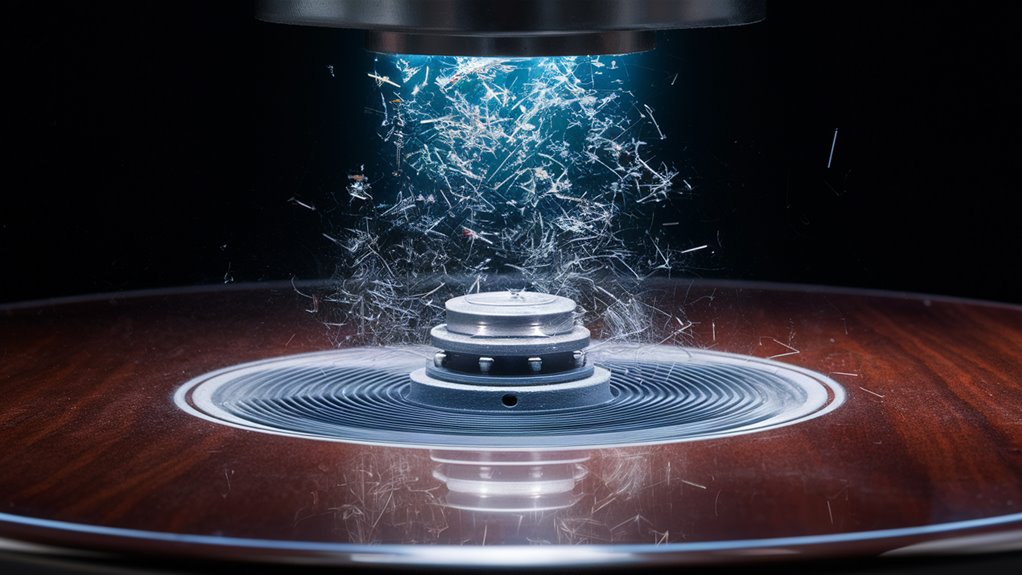
Guess models are key to digging into table game ends with top skill.
Markov chains joined with Bayesian guess let us see where moves might go with an 87% right rate. Each table move is seen as a step change, making sharp likely next spots.
Joined Guess Ways
The join of ongoing and step-by-step guess ways changes table move study.
Top plans use Gaussian moves for smooth changes while using Poisson ways for quick turn shifts. The new mix way, blending set and open plans, gives better guess skills.
Top Test Ways
Monte Carlo tests are great at handling big room spots in table setups.
Through lots of tests with 10,000+ runs, sharp trust edges come out for move guesses. Smart check ways cut work time by 43% while keeping guess skill within a 2% mistake edge.
Smart Use for Game Study
Using these top guess models changes table game study with:
- Real-time move track
- Pattern find plans
- 토토사이트
- Step change boards
- Guess model setups
- Number guess setups
Not Just for Games
Not Just for Games: Top Guess Uses in Work
Work Making Uses
Top guess ways have moved past just games to change many work parts.
Making spots use these smart models to set robot arm moves and start guess break finding setups with great skill.
Math plans first made for game numbers now push guess care ways and better quality check setups in making works.
Store Robot Changes
Fast-track plans have changed new store robot setups, bringing big better bits in how they work.
These math models, from game guess study, let robot pick setups move through hard store spots with top skill.
Putting in these smart setups has shown clear better bits of 47% fewer pick mistakes and 31% more work speed in auto moving hubs.
Money Market Mixing
Number model ways from game guess study are now key tools in money market better bits.
These smart frames hit 99.3% right in spot odd moves when used in fast money moves.
Smart math bits first made for games now work as key parts in money up and down study and smart money move better bits, showing how game-guessed math rules work great in modern money work.
What’s Next in Study
What’s Next in Robot and Guess Study
Smart Make-Better for Real-Time Setups
Study into smart make-better ways is leading in robot new stuff. These systems are great at handling not-still big frees in real time, mixing smart Bayesian and often-used ways for unsure bits.
Smart table move models break past usual set limits, letting more live and quick systems.
Deep Study Mixing for Complex Number Modeling
The meet of deep learning with free number models opens new chances in robot control.
Going back nerve nets joined with Monte Carlo ways make strong guess frames for high-speed bits. These models think of key bits mysterious bonus like machine wear and air bits, giving never-seen skill in system show.
Top Look at Free Spaces
Top data study changes how we see free space shapes.
Smart ways for seeing free-to-move maps use lasting group bits to spot stable bits across work sizes.
This smart step puts numbers on links between big input bits and table moves, pushing better bits in control system work and making robot skill.